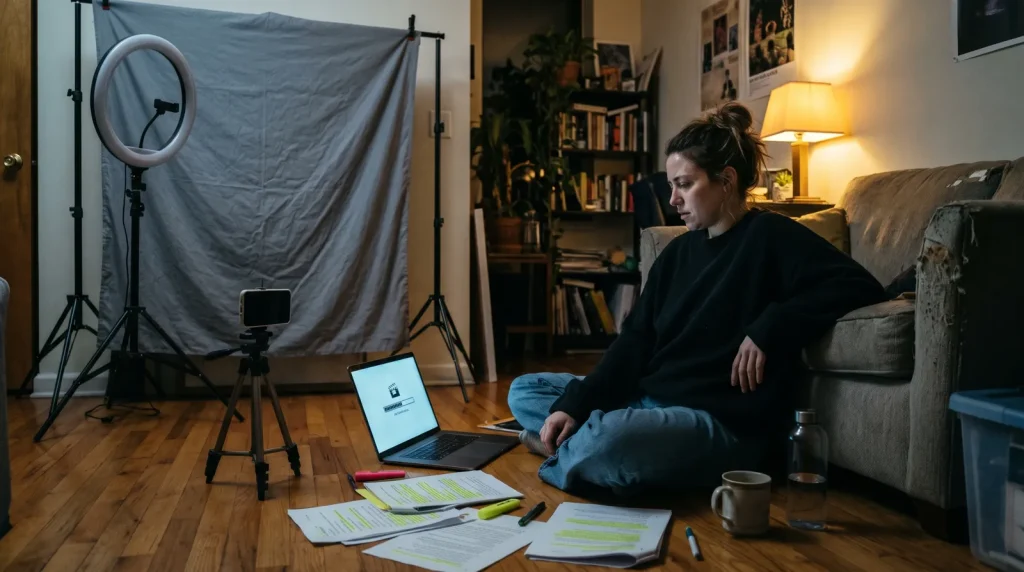
Audition pay sounds like a myth to most actors. Yet it has been written into the Screen Actors Guild contract for decades. So why are so many people self-taping night after night without being paid a cent?
We dug into the contract history, the union notices and the reporting. Here is what is true, what is partly true, and what it means for you.
Audition Pay Has Been in the Contract for Decades
The audition provisions in the Codified Basic Agreement, the contract that covers film and scripted TV, date back to 1937. SAG-AFTRA said so itself in a September 2022 notice. Grassroots members, meanwhile, trace pay for auditions back to 1947.
In plain terms, the old language said that an actor who auditioned and was not hired could be owed pay. Writing in The Hollywood Reporter, actor Tavi Gevinson put that at half a scale day rate per audition. With a day rate of $1,082 at the time, that came to $541.
Was Audition Pay Ever Honored?
Here is the honest answer: it was honored on paper, but almost never in practice. The payment was not automatic. Instead, an actor had to file a claim, and very few ever did, as Deadline reported in 2022.
Gevinson noted that studios paid the claims that were filed. So saying audition pay was never honored goes too far. However, saying it was rarely enforced and rarely collected is accurate. Most actors simply did not know it existed.
2022: The Union Narrowed It
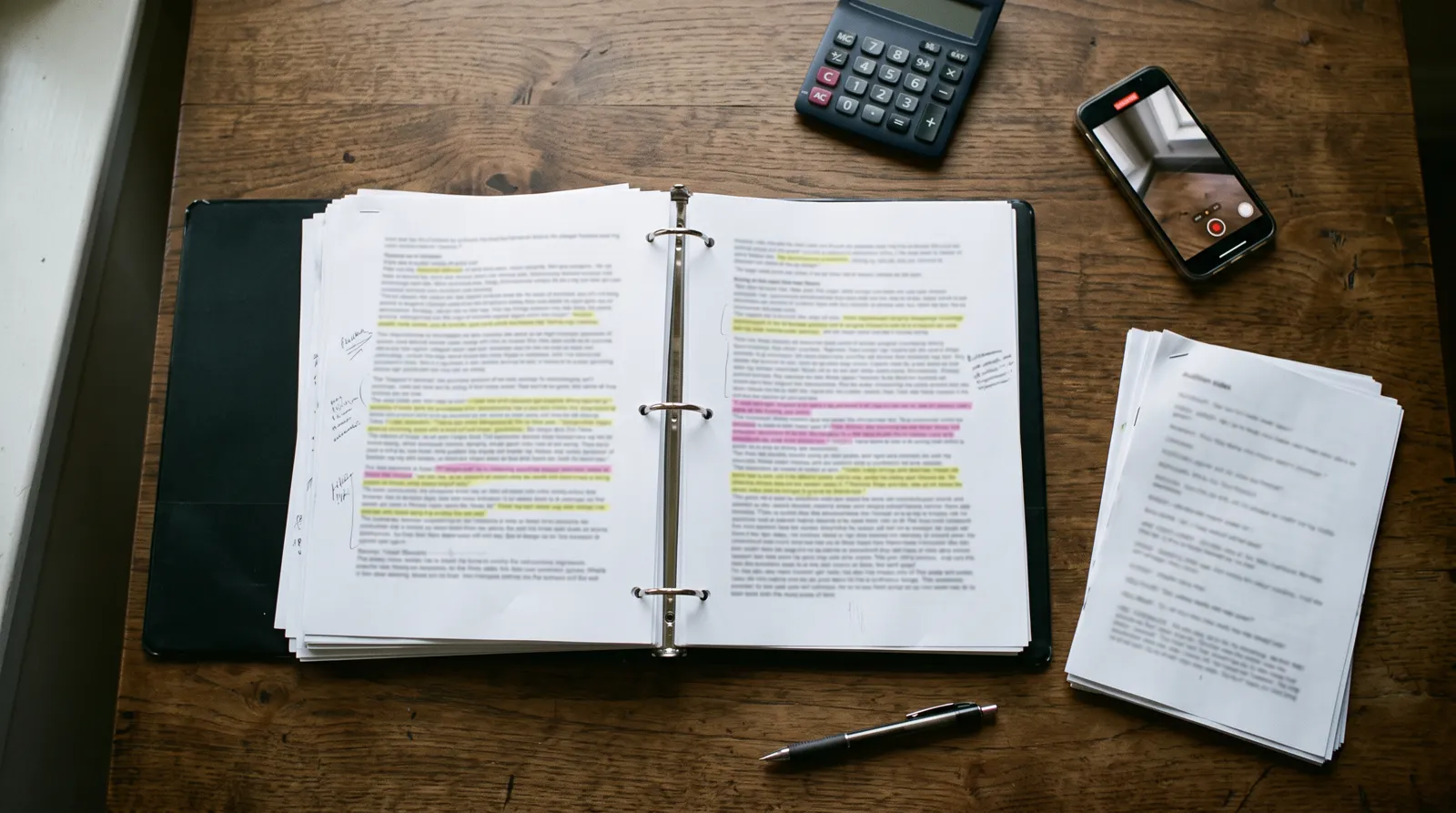
In September 2022, after questions from members and the press, SAG-AFTRA said it would pursue audition pay claims in only three situations:
- The producer or casting director expressly required the actor to memorize lines in advance.
- The actor took part in a network or studio test.
- The actor was kept waiting more than one hour.
The union added that the language could be read more broadly, and it reserved the right to do so later. Even so, the practical effect was quick. Reporting since then notes that casting notices began adding lines saying actors are not required to memorize, which shields productions from claims.
2023: Self-Tapes Became Officially Unpaid
The 2023 TV/Theatrical deal, which ended the strike, brought real self-tape rules. For example, actors get at least 48 hours to prepare, and a first self-tape is capped at eight pages. Productions also cannot require expensive equipment or memorization.
But the same deal closed the door on pay. Reporting on the agreement quotes the new language plainly: “No compensation is due to a performer for a self-tape.” Virtual auditions are paid only if the producer requires memorization. Critics inside the union called it a huge concession, and Casting Networks also noted that companies are not required to pay for self-tapes.
What About the 2026 Contract?
Members ratified a new four-year TV/Theatrical Agreement in June 2026. It added more AI guardrails and a rule that productions must offer enough live virtual auditions for actors who prefer them over self-tapes in many TV roles. In our research we found no report that it restored pay for self-tapes. Check the SAG-AFTRA site or your local office for the exact terms.
Are Actors Wasting Time Self-Taping?
Many actors feel that way, and the numbers explain why. A SAG-AFTRA survey of more than 9,000 members highlighted a rise in self-tape requests from casting. Earlier union research found that a majority of actors spent their own money on tapes. Some paid over $100 for a single session.
So the real problem is not taping itself. It is unpaid, unlimited taping that eats your nights and your wallet. Therefore, the goal is to make every tape cheap, fast and good, and to stop treating auditions as your only path.
How to Protect Your Time
- Know the rules. If you are asked to memorize, take a test, or wait over an hour, call your union office about audition pay.
- Ask for a live option. Union rules now give you more chances to audition live or virtually instead of taping.
- Stop paying for tapes. You do not need a studio. Our Self-Tape Academy shows you how to tape well at home.
- Pick your battles. Tape for roles that fit you and skip the rest.
- Create paid work too. Read why Hollywood is shrinking and how actors use AI filmmaking to make their own projects.
The Bottom Line
Audition pay is real and old, but it was rarely collected, narrowed in 2022, and closed for self-tapes in 2023. Until that changes, protect your time, tape efficiently, and build income that does not depend on the next audition.
Turning your talent into a business? Plopjoy builds websites, booking pages and automation for creators, so the work you make actually pays you.